

Skip to content

KTU PhD student investigates what motivates people to engage in scientific research

Research | 2026-01-21

It is estimated that around 14 million people worldwide are involved in citizen science, which enables non-scientists to participate in various research projects. Although citizen science is rapidly gaining popularity worldwide, experts note that in Lithuania, people’s involvement in research remains low.

People can participate in research in various ways, for example, by using apps to record sources of air pollution or invasive species in the city. According to Ineta Simonaitė, a doctoral student in sociology at the Faculty of Social Sciences, Humanities and Arts at Kaunas University of Technology, this allows scientists and municipal representatives to make decisions on environmental and other important issues more quickly.

“People’s interest in research is not particularly high, so it is important to understand what factors would encourage them to join the surveys and become a significant part of science,” says Simonaitė.

Benefits for the people themselves

The factors determining public involvement in science can be external or internal. Simonaitė emphasises that citizen science is unique in that by participating in research, people can both contribute to scientific solutions and receive real benefits – new knowledge, connections, experience, and recognition, and most importantly, solve problems that are relevant to them.

“People become much more actively involved in scientific research when they clearly see the meaning and results of their participation. Therefore, it is important not only to collect data from residents during surveys, but also to show how their contribution helps to solve real problems,” emphasises the KTU doctoral student.

It is equally important that participants feel like true partners of scientists. According to the researcher, people want not only to fill out a survey but also to understand how their data was used, participate in the discussion of the results, or even contribute to the development of research questions.

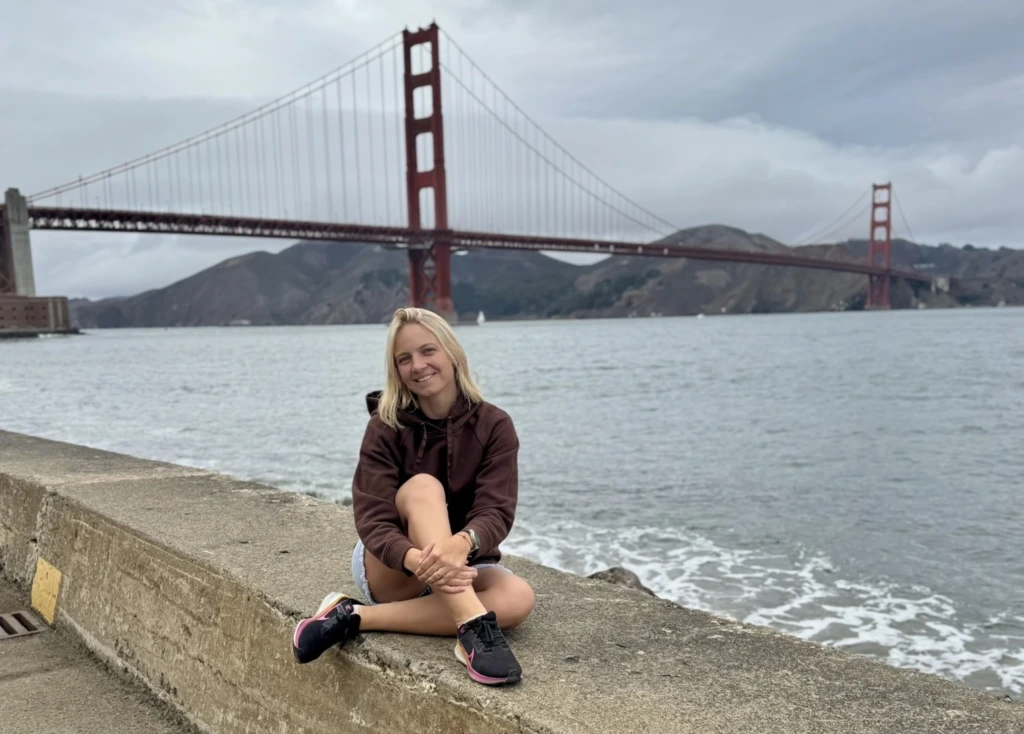
Ineta Simonaitė KTU
Ineta Simonaitė, PhD student at the KTU Faculty of Social Sciences, Arts and Humanities

“Feedback, acknowledgements, certificates, or simply a sincere explanation of what has been achieved can be a very important motivation to encourage participation. International experience also shows that convenient digital platforms increase engagement: the easier it is for people to log in, record observations, or measure environmental indicators, the more actively they participate. Therefore, initiatives that are accessible, meaningful, and visible work best,” says Simonaitė.

Experience abroad – an opportunity to see things differently

In her doctoral studies, Simonaitė aims to delve deeper into social issues, and the opportunity to share her ideas with the academic community is immensely inspiring. Among the many advantages of PhD studies, she singles out internships abroad, which, in her case, provided her with invaluable experience.

“When the opportunity arose, I went to the University of Central Florida in the United States (USA). During my internship, together with Professor Thom Bryer, we sought to understand what encourages or discourages the American public to get involved in university research,” says Simonaitė.

Even after the internship ended, her work with Professor Bryer continued. Now back in Lithuania, the KTU doctoral student is conducting interviews with Americans, and in the future, she hopes that the results will provide a better understanding of not only US society but also Lithuanian society and the factors that encourage it to engage in citizen science.

“I believe that international opportunities greatly broaden one’s horizons and help to see how academic processes work outside our institution. This is a great opportunity to expand professional connections, meet researchers with similar interests, and establish collaborations that may grow into joint projects or research in the future,” says the KTU doctoral student.