



Florian Rabitz is a Chief Researcher at the Faculty of Social Sciences, Arts and Humanities of KTU.
The Moon is the next frontier in the economic development of outer space. The United States, China, Russia, and South Korea have all committed to construct permanent lunar outposts during the 2030s and 2040s. A growing private industry shows significant commercial interest in lunar infrastructure development and resource extraction. Yet international rules on lunar activities remain underdeveloped.
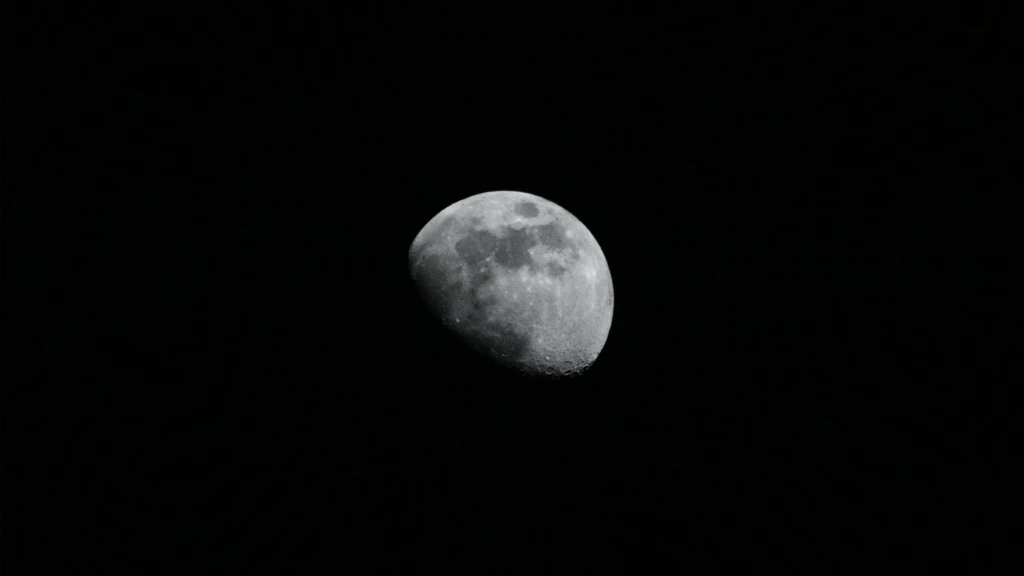
The Moon has been a focal point of human imagination across the ages. Yet within the next decade or two, its face might change forever. This is due to the increasing political and commercial interest in the development of large-scale infrastructure on the surface of the Moon. Lunar ice mining could provide water and oxygen for astronauts, and hydrogen fuel for spaceships.
The moon as the next economic frontier
Solar power installations at the so-called peaks of eternal light could provide electricity around the clock. Satellites in lunar orbit, and railroads on the surface, would grant sophisticated capacities for navigation and logistics. Nuclear-powered data centers, hotels, and industrial facilities for converting lunar regolith into construction materials are other options that are presently being explored.
Nobody quite knows how feasible these and other proposals are. Considering the massive strides that we have witnessed in the development of space technology, and in the growth of the space industry in recent years, their feasibility is rapidly increasing. As a new economic frontier is opening up, questions of governance are becoming more urgent.